Download the book in PDF and let yourself be guided
through a story that intertwines a man, his land
and the family that preserves his legacy.

Chapter 5
Involvement in the Alba Confcoltivatori and participation in many
initiatives promoted and organised by this agricultural union were important in the first
stretch
of Luciano Sandrone's business journey. His firm was taking its first steps and needed
points of reference, concrete guidance and also a physical space
where
to compare notes with other producers who, like him, were beginning to produce.
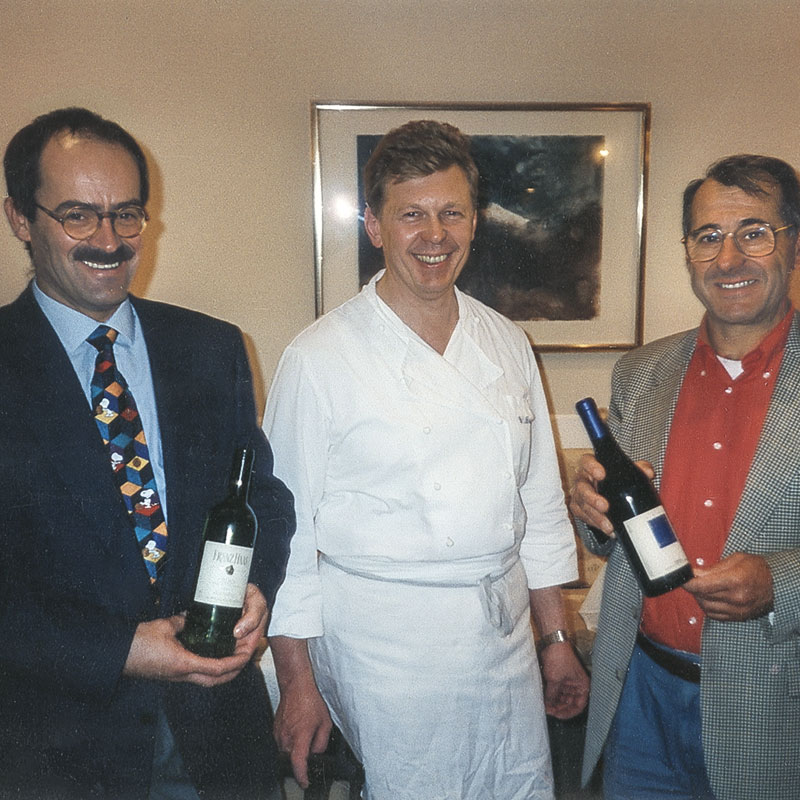
There were several firms with which Luciano shared his initial journey.
Today they are important estates such as La Spinetta by Giorgio Rivetti,
Malvirà by Roberto and Massimo
Damonte, Azienda Agricola Pelissero by Giorgio Pelissero,
Azienda Agricola Cigliuti by
Renato Cigliuti and, then also, Piero Gatti and Bartolo
Mascarello.
They shared a desire to do things together, to grow and develop their
enterprises
in harmony, viewing others as colleagues and not competitors.
With a great spirit of collaboration this small group of producers sought external
synergies too. They wanted to grow globally to give a concrete future to their
projects.
So they aligned themselves with technicians and operators who could serve the growth of their
business structures.
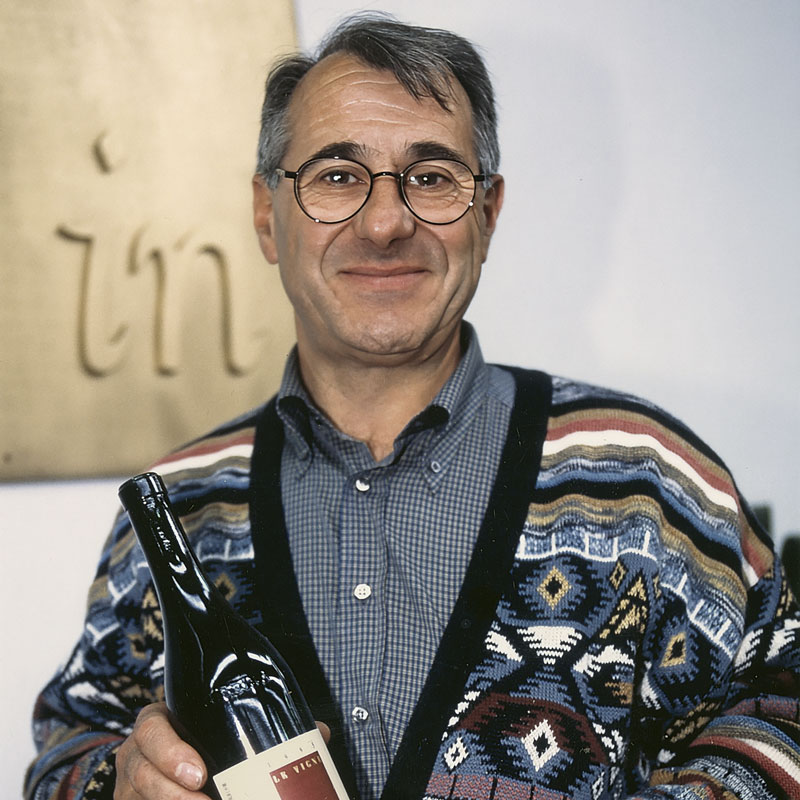
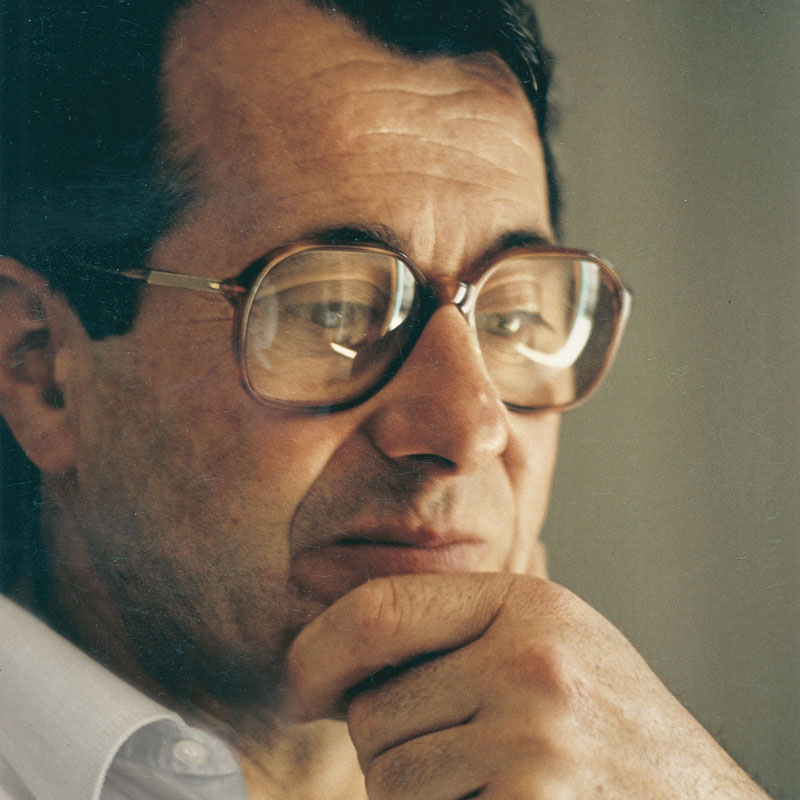
"I believe the most useful and favourable synergy for our endeavours – Luciano underlines –
was
the one with Prof. Felice Cavallotto. A lecturer in viticulture and oenology with particular
reference to wine tasting at the Oenological School of Alba, he had recently
retired and enthusiastically made himself available to meet us, to guide us in
collective tastings of many wines, ours and those of other producers, local and from farther afield. The
availability
and support of Prof. Cavallotto filled me personally with pride: the doyen of
the territory's tasters agreed to engage with a group of young producers at
the
beginning of their experience".
"Tasting together, – Renato Cigliuti also comments – comparing the value and
consistency
of so many wines was very useful for us: on the one hand it opened our minds and horizons making us
understand that in the world there were not only our wines; on the other, it helped us to
constantly improve
the quality level of our products".
The meeting place was in Alba, in Via Cavour, which both then and now is colloquially known as <Contrà 'd Tàne> (the Tanaro quarter) because it led towards the river that lapped the
capital city
of the Langhe. It was the Confcoltivatori headquarters and for this small group of
producers it was a fundamental technical and behavioural training ground and, in some ways,
the incubator of their development projects.
In those very years, they also encountered another protagonist of the Alba wine scene, oenologist Armando Cordero, whom Luciano had already met during his time at Marchesi di Barolo. Armando Cordero was destined to become one of the
reference points for the Barbaresco and Barolo producing cellars and already in those years he revealed
his exquisite propensity to engage willingly with sector protagonists,
especially producers. Cordero too was decisive in accompanying these young
producers through their delicate development phase.
Thanks to mutual collaboration, they gradually made their way and began to meet and get to know many restaurateurs, hospitality operators, people involved in wine service in various parts of Italy and the world.
As mentioned earlier, the end of the Nineties decade coincided with three wine vintages of spectacular quality: 1988, 1989 and 1990.
We do not know whether those meetings held at Confcoltivatori and the synergy that gradually consolidated among these small producers were the forerunners of what would happen in subsequent decades in the wine world of Langa and Roero.
Whether it was his nature as a "solitary walker", or his desire to test himself and face new challenges every day…
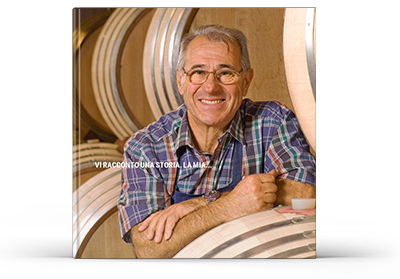
Download the book in PDF and let yourself be guided
through a story that intertwines a man, his land
and the family that preserves his legacy.