Download the book in PDF and let yourself be guided
through a story that intertwines a man, his land
and the family that preserves his legacy.
Chapter 4
As an old proverb says, "appetite comes with eating". And so, in the heart of the
Eighties,
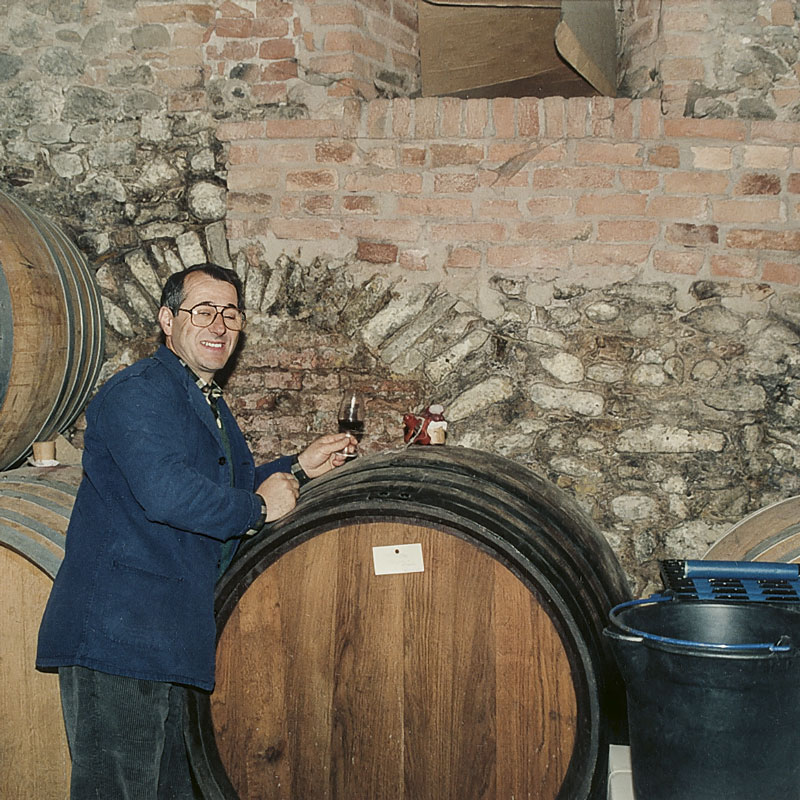
more news arrived at the Sandrone household. Luciano tells us in his own words.
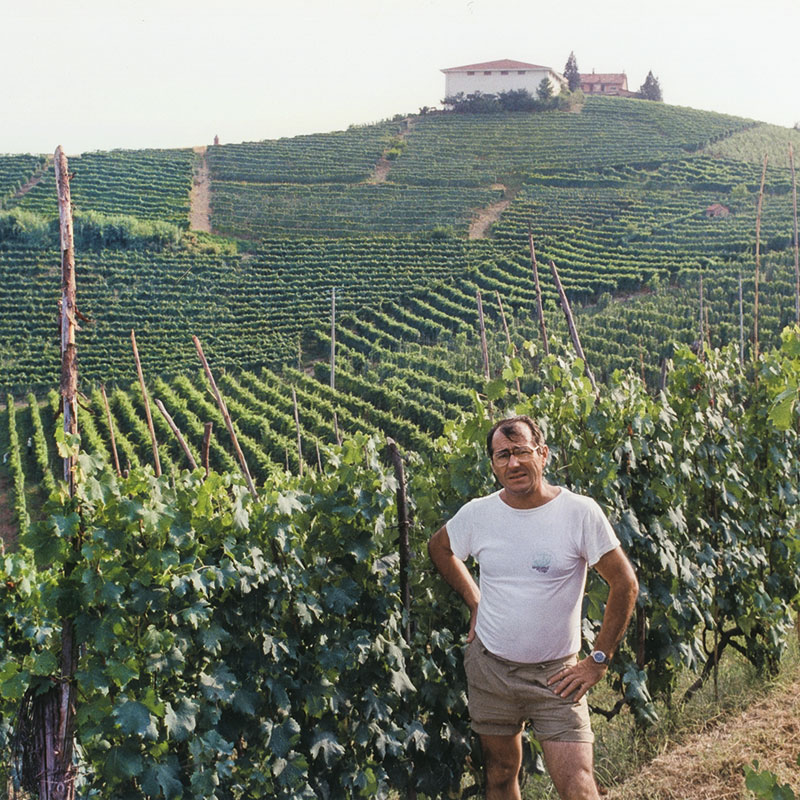
"After purchasing my first Nebbiolo vineyard for Barolo, word gradually spread
that
I was interested in buying more. That I enjoyed working the vineyard and
producing
grapes and
wine was clear to everyone. This was also why many admired me and wished me well. It was
1977 and
one day, an old farmer from Barolo, Giovanni Carlo Cabutto,
known to everyone as
the
"Re cit" (the little King) – so nicknamed because he was small in stature like a wren,
the bird called that way in Piedmontese dialect – suggested I buy his
vineyard. He no longer
felt
up to cultivating it and feared it would fall entirely fallow. So
I bought it. He was
so
pleased that it was me buying it that he reassured me about the payment terms: "te
mra
pàghi quandi ch'et avrai i sòd" (you'll pay me when you have the money). This was an
important
vineyard, a Nebbiolo planting situated right on the prestigious
Cannubi
hill,
in the section called Cannubi Boschis. Unfortunately the vineyard was rather run-down and,
so,
after the purchase, I had to make a drastic decision: to replant it entirely. In the meantime
another vineyard had become available, again in Cannubi Boschis
practically bordering the
previous one. So I bought that one too. I was happy
"as a king". Those small
dreams
of mine were beginning to become reality".
The Nebbiolo vineyards were growing in number and surface area and so Luciano decided to try
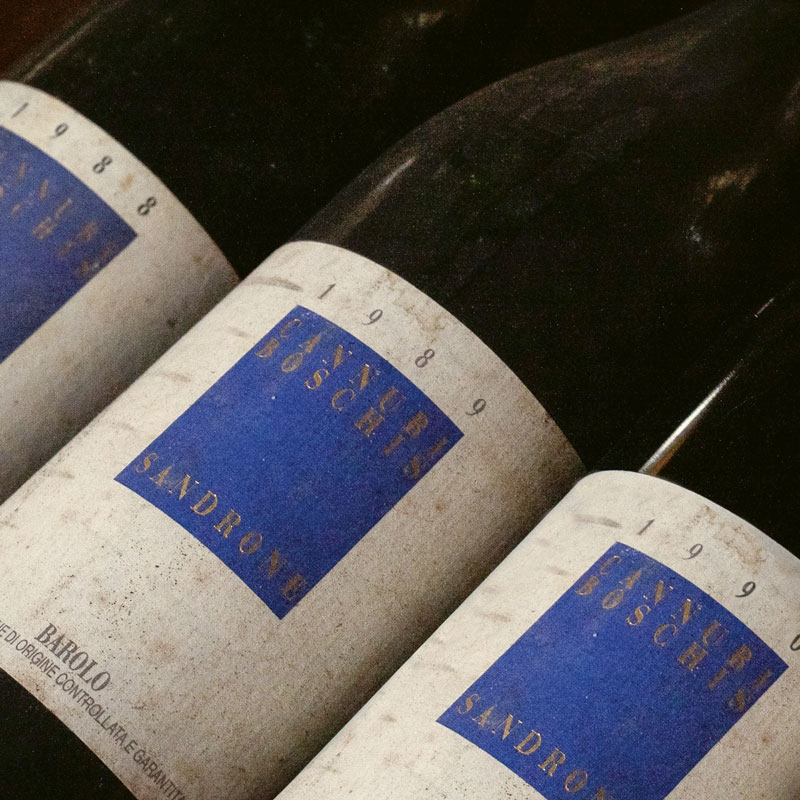
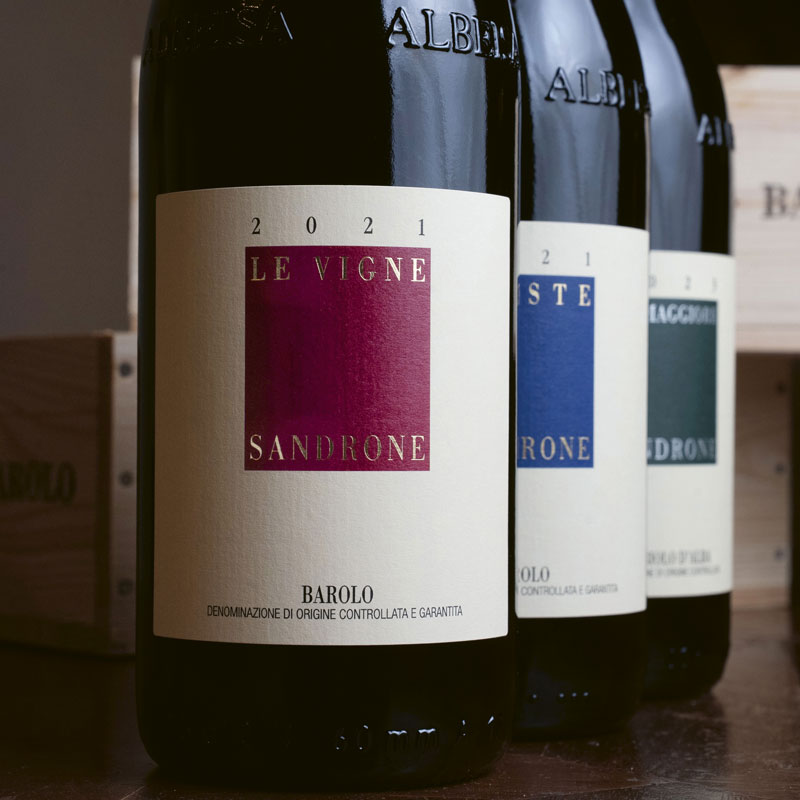
vinifying the various batches as a blend: Le Coste and Cannubi Boschis were already making
a great marriage! The blending method was the traditional system of Barolo and to
Luciano
it seemed an appropriate choice to test it with his small vineyards too. And so, with
the 1985
vintage he began production of his Barolo "Le Vigne", destined to be marketed from
1990 onwards.
As usual, novelties never come alone. And so, in that very 1985, Luciano
received a most welcome visitor: Gino Veronelli, a legend of Italian wine journalism, the first to devote himself body and soul to themes of quality wine and food.
Veronelli was fascinated by that small production venture taking its first steps,
just
as by Luciano's desire to experiment and compare himself with the best
productions of Burgundy. But Gino's "fixed idea" was another: he was the champion of
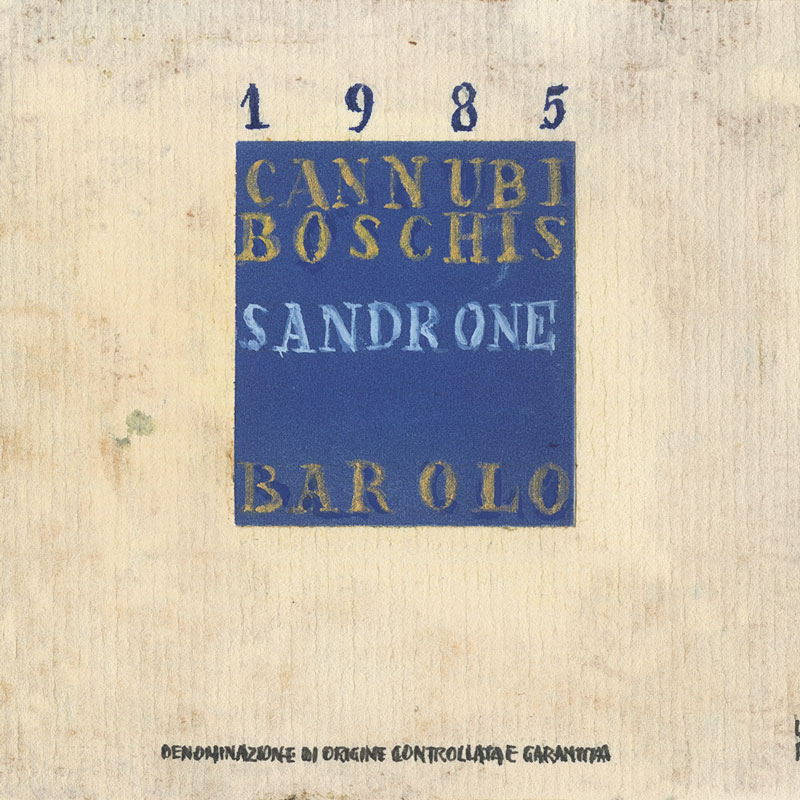
separate vinification by single vineyard and so he urged Luciano to try the separate vinification
of the Nebbiolo produced in Cannubi Boschis. With a promoter of such calibre one could not refuse. But at the same time Luciano did not want to abandon his
original approach.
So he vinified the Barolo Cannubi Boschis separately, but with the other vineyards he continued to test the blend method. Luciano's innovation in
the way of
producing a Barolo was precisely that of working the grapes separately according to their
different origins and then blending the wines before bottling.
"With my small firm growing – Luciano interjects – and production becoming stronger, I realised that there was a need for greater continuity of work and development.
I didn't yet feel ready to take the big step, namely to leave Marchesi di
Barolo and
devote myself solely to my own production venture. So, after yet another "family council", in
spring 1986, we decided that my wife Mariuccia would leave her job at
the
"Marchesi" to devote her time specifically to our business. Only in the
subsequent years would I take that same step myself, and we would then be joined by my
brother Luca (in 1992) and our daughter Barbara (in 1994)".
Barbara, after accounting studies, had chosen a completely different career: for some years she had been working as cabin crew for a charter airline (AirEurope), while Luca, after
qualifying as an oenologist, had chosen to gain experience at a fine winery in the Roero, the Deltetto in Canale. It is true that both, during the busiest periods, would come back to lend a hand, but these were occasional and sporadic contributions that – it was clear – would not have been able to yield
great
results.
"How many kilometres we covered in those years; – now it is Luca speaking – we'd set off in the morning to go to Verona, Bolzano, Florence or any other part of Italy and then
in the
evening we'd come home. We might arrive in the middle of the night or early in the morning, but there was no other way: Luciano had to be at work by dawn and I had to attend
the
Oenological School".
In that period, in the second half of the Eighties, Mariuccia's presence at the firm was
fundamental, both in the vineyard and in the cellar. In the vineyard there was a great deal to do,
especially during the initial and central phases of the cultivation cycle (tying, green pruning, retying, etc.); in the cellar, moreover, the work was enormous, particularly for the bottling operations carried out by hand. And then the first private customers
began arriving at the cellar,
many enthusiasts who came to the Alba hills and helped to promote the wines
of the area.
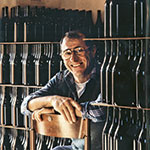
In the meantime, in spring 1986, a very serious scandal shook the wine world, with its particular epicentre in Piedmont: the methanol scandal had broken out. Those were very difficult days for the entire sector.
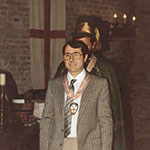
In the 1980s, various conferences, meetings and in-depth events on technical topics and the market for local wines began to be held in the Alba territory.
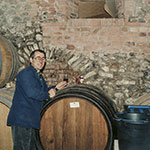
Meanwhile, market demand was growing and Luciano's wines were popular. So – in agreement with the family – he decided to seek out more grapes to vinify.
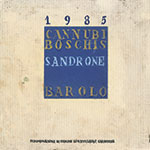
After the happy experience of 1982, Luciano never stopped participating in Vinitaly in Verona and thus managed to meet and get to know many operators and enthusiasts, especially Italians.
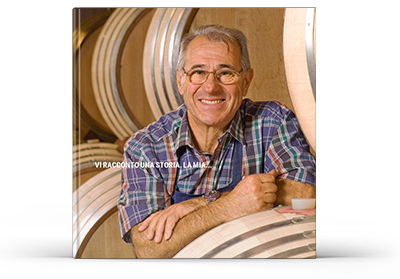
Download the book in PDF and let yourself be guided
through a story that intertwines a man, his land
and the family that preserves his legacy.