Download the book in PDF and let yourself be guided
through a story that intertwines a man, his land
and the family that preserves his legacy.
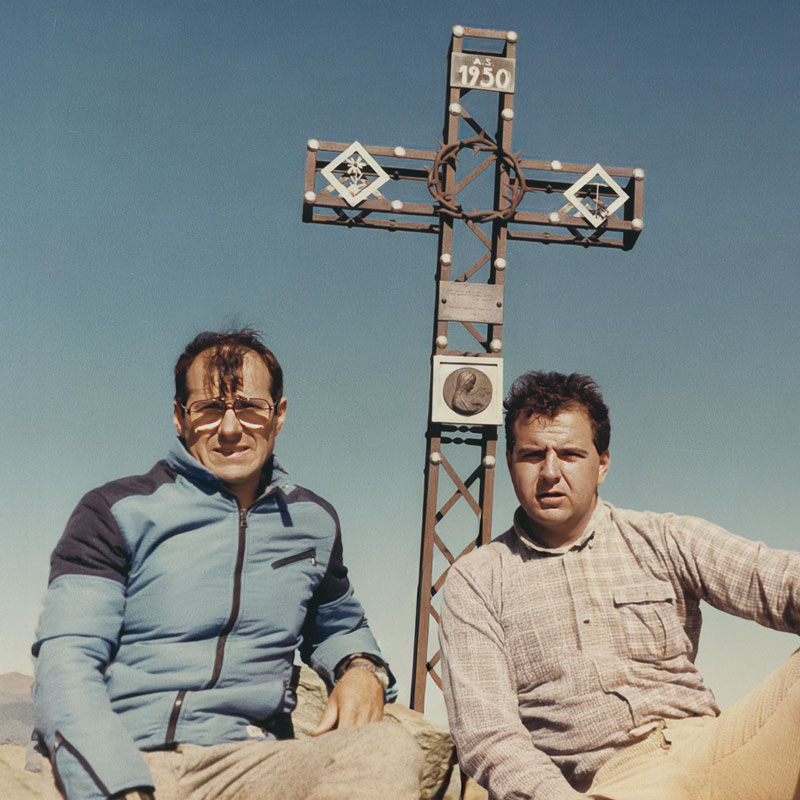
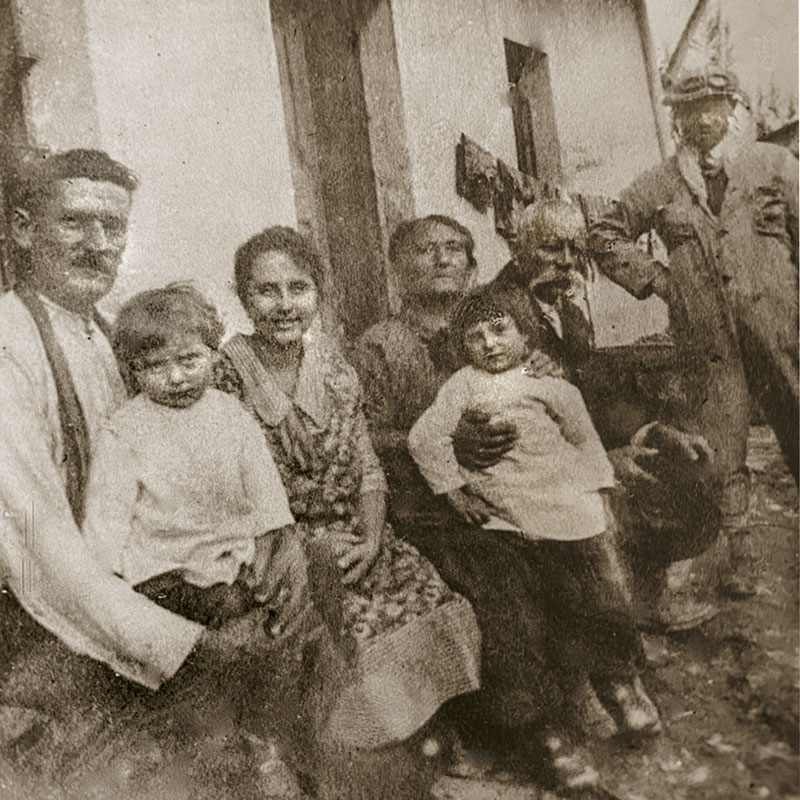
Chapter 1
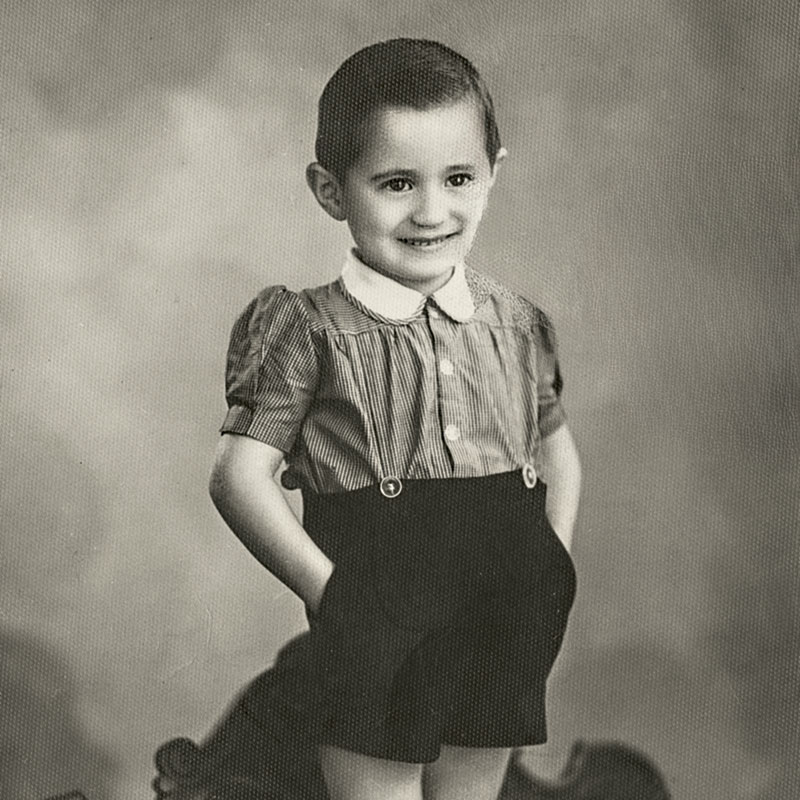
"I was born on 12 February 1946, in La Morra, not far from
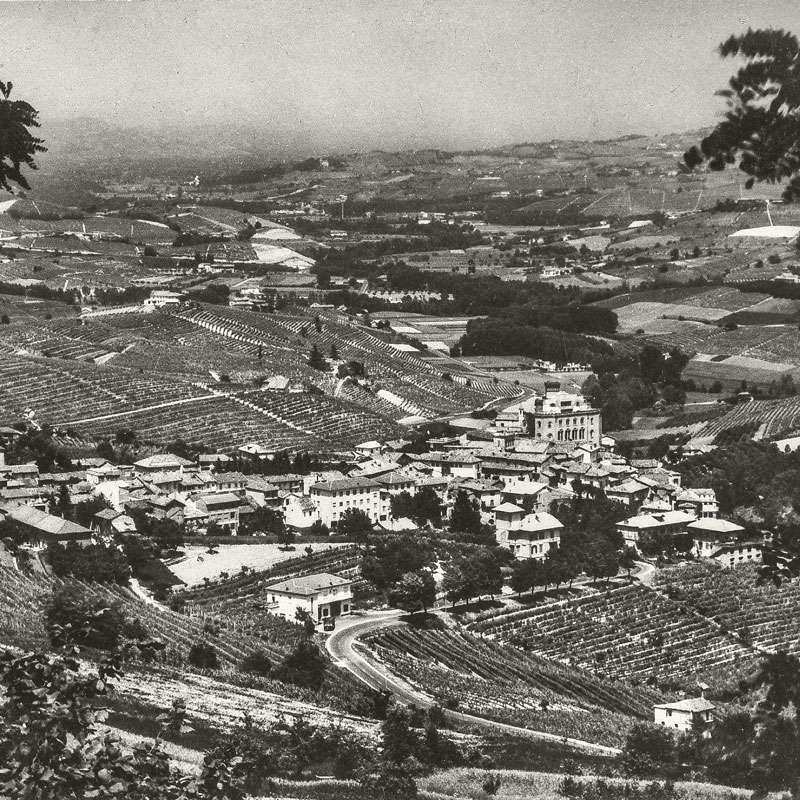
where this village meets the one called
Barolo, where I would live for the rest of my life. It was a Tuesday.
It was cold. The last day of carnival was approaching, but the memory of the "days of the thrush" was
still
vivid. Outside there was snow. Not like nowadays when you have to pray for it to fall…".
The one speaking is Luciano Sandrone, the protagonist of this
story, amid hills, hopes, grapes and
wine.
As an old saying goes: "Monday, handsome children; Tuesday, a little rebellious…".
Luciano
was never truly "rebellious", but somewhat individualistic and determined to follow his own
path. "But what can I do – he continues – if life gave me my own personality. Come to think of it, I was individualistic, but never selfish or indifferent to
the
needs of others…".
That one had to take everyone into account was something he had learned quickly.
Those were hard times. The land of Langa – and that of Barolo was no different – had
just emerged from a period of great hardship. Only the year before, a relentless, hostile and dramatic war had ended,
fought on many fronts: against an invading army,
against an opposing side that sought to keep people in poverty and ignorance, against
the very friends with whom you had played as a child and dreamed of better times. A
war that was hard to forget and overcome, even for the material and moral damage it had
left behind that decent people were trying to mitigate in those years.
There was such a
desire to live and to dream, but everyday reality constantly brought each person
back down to earth.
A few observations suffice to frame the period.
Italy was still in limbo between a monarchy that had disappointed many expectations and a
republic that had yet to be recognised by popular vote, destined to materialise
with the referendum of 2 June of that year, which would allow Enrico De Nicola to
become on 28 June the first Head of the Italian State. In the meantime, the President of the
Council was Alcide De Gasperi and the President of the United States was Harry S. Truman. That year
gave birth to many illustrious figures, beginning with singers Cher, Patti Smith and Freddie
Mercury, actor Sylvester Stallone, directors Oliver Stone and Steven Spielberg, guitarist
David Gilmour. In that same year one of America's most eclectic artists was also born,
Liza Minnelli.
Even the wine world of Langa, despite its deep historical roots, was taking its
first
steps towards a solid future after a long period of uncertainty. The war
had done its
damage in this sector too: it had taken many young men away from work in the fields
and
vineyards and had thus put into difficulty an agriculture that still in those years
proposed
a mixed approach, where the vine was accompanied by many other crops, from arable land
to meadows, from orchards to hazelnut groves and all the way to the stable.
Even the Consorzio per la Difesa dei Vini Tipici di Pregio Barolo e
Barbaresco, founded in
1934 to support the development and market of these two important Nebbiolo wines,
had been forced to suspend its activities during the war and had only resumed in
1947, after
the vine and wine growers had begun to work and produce again.
Looking back at those times, Luciano picks up the thread of his story: "In an era when families were often large, mine was small, simple and modest.
As we have seen, the family's origins were in La Morra, but the move to Barolo happened quite early, when Luciano was only a few months old.
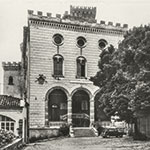
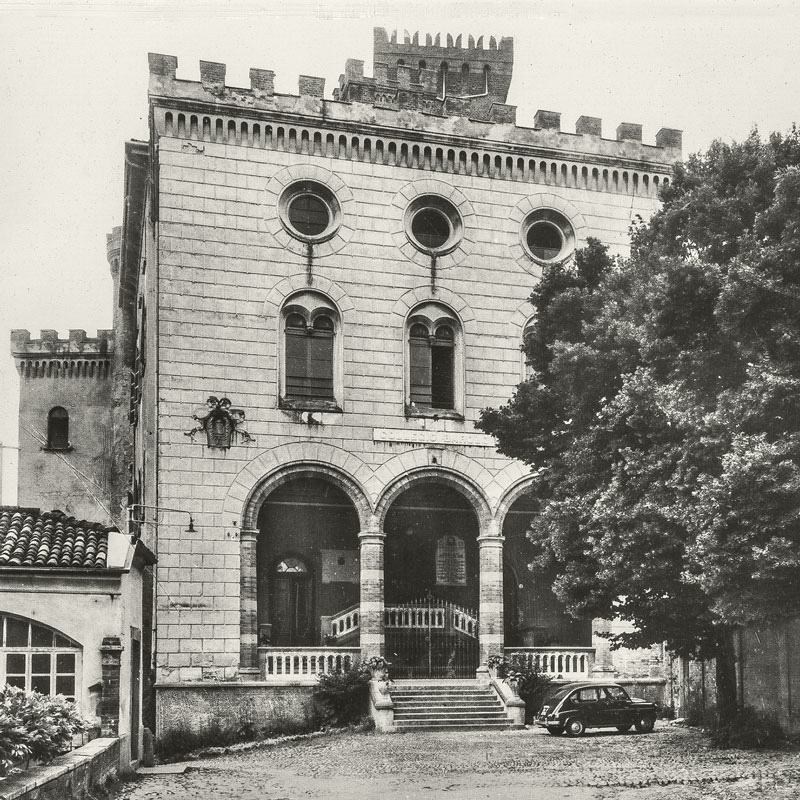
In 1952, upon turning six years old, Luciano began primary school, attending the five years of the course in the castle of Barolo.
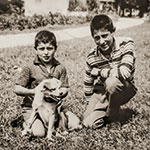
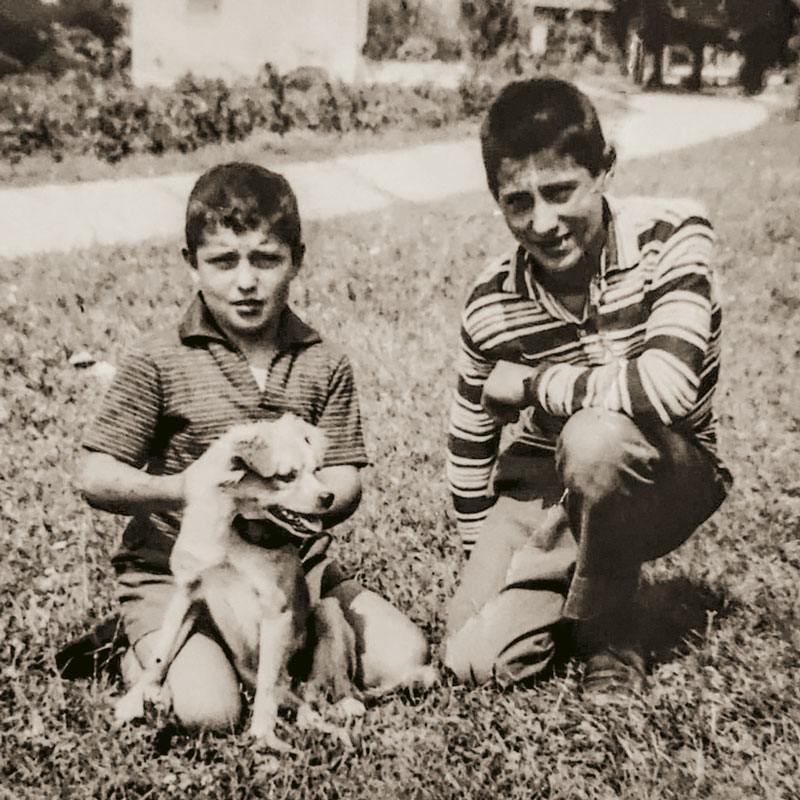
Throughout childhood and adolescence, and even into early youth, Luciano always spoke little.
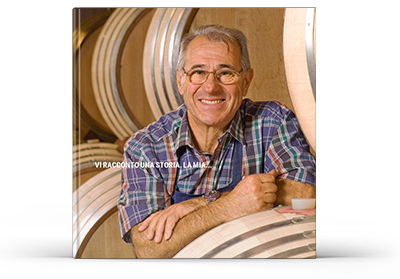
Download the book in PDF and let yourself be guided
through a story that intertwines a man, his land
and the family that preserves his legacy.