Download the book in PDF and let yourself be guided
through a story that intertwines a man, his land
and the family that preserves his legacy.
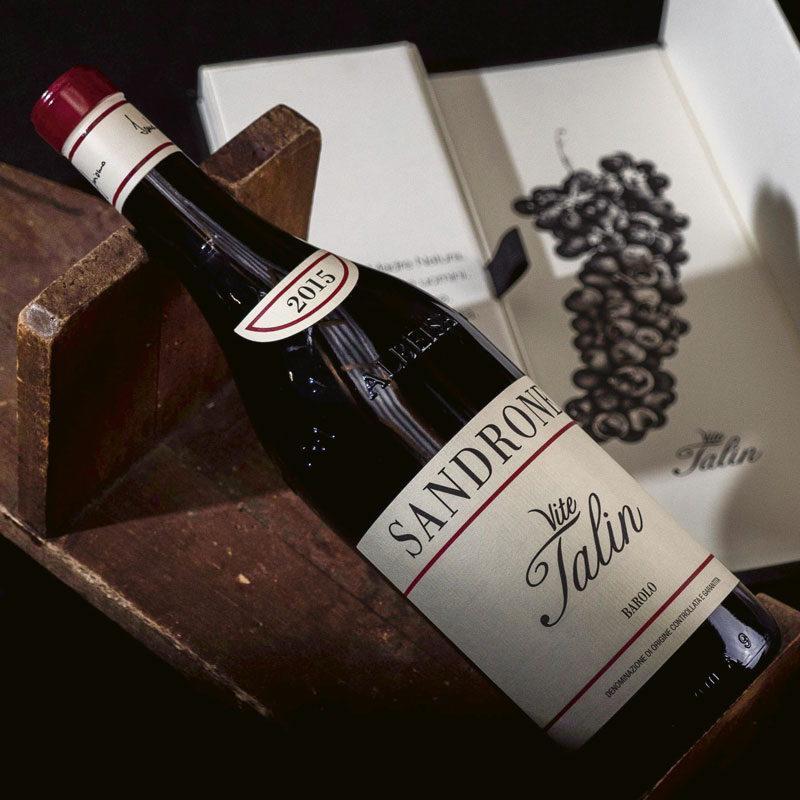
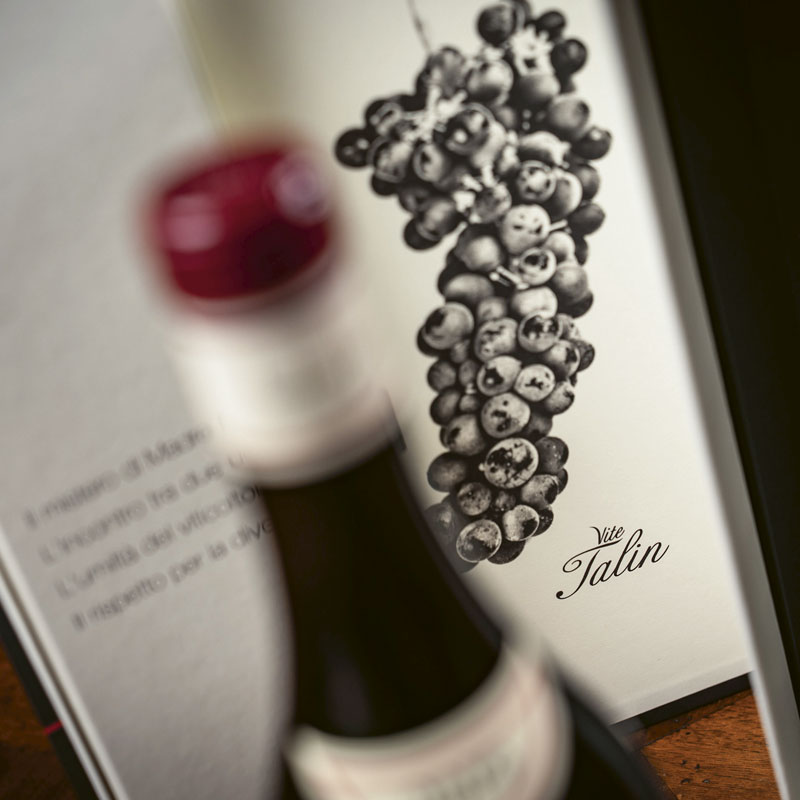
Chapter 9
Luciano Sandrone has left a clear legacy. In a land of dark-berried grape varieties and red wines, with a digression in recent decades also towards white varieties and their wines, Luciano worked and developed his estate solely on the products of the most traditional type.
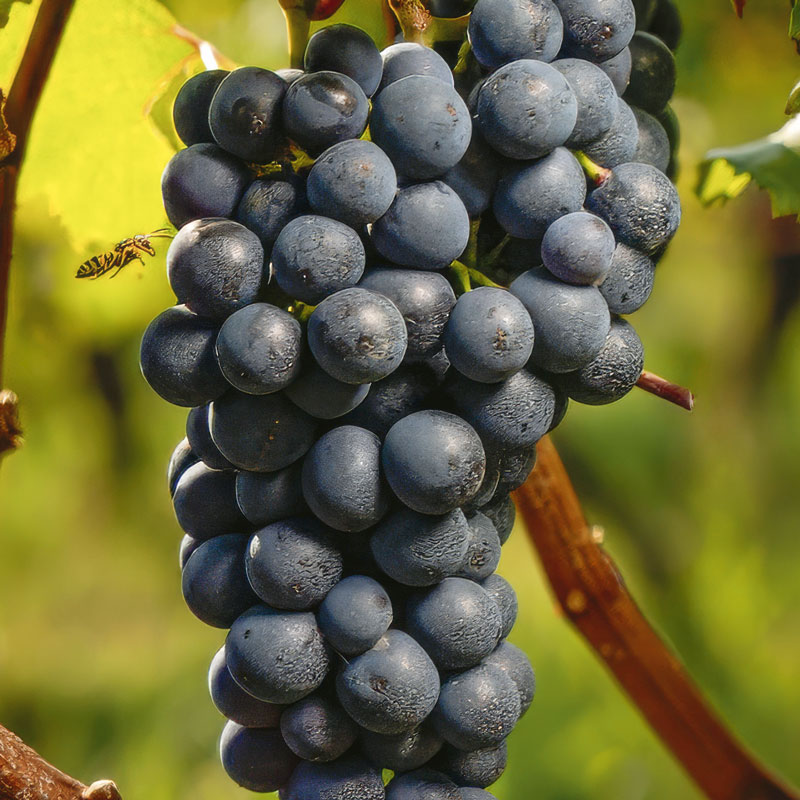
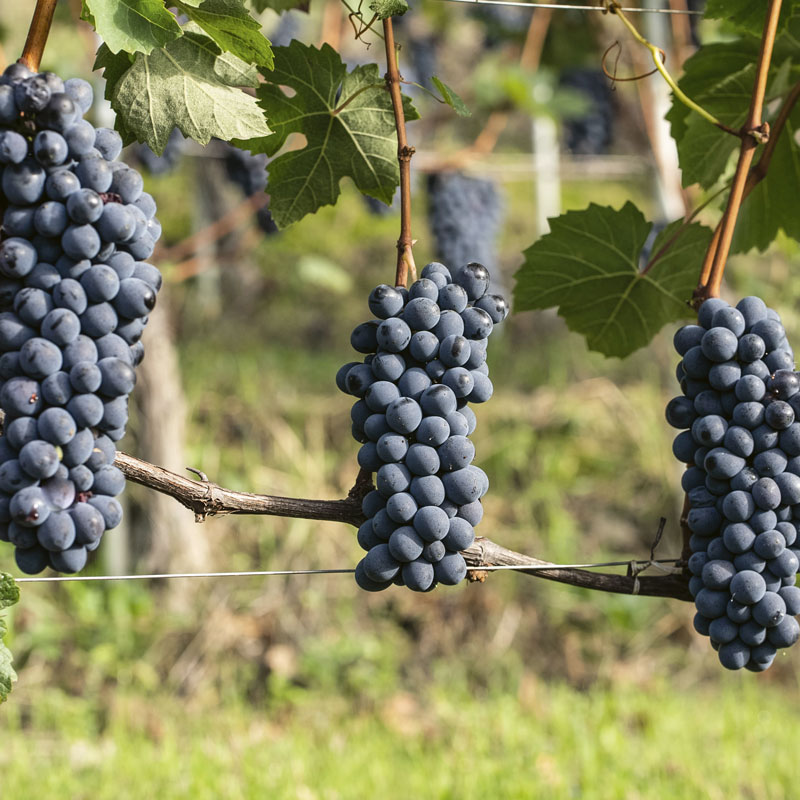
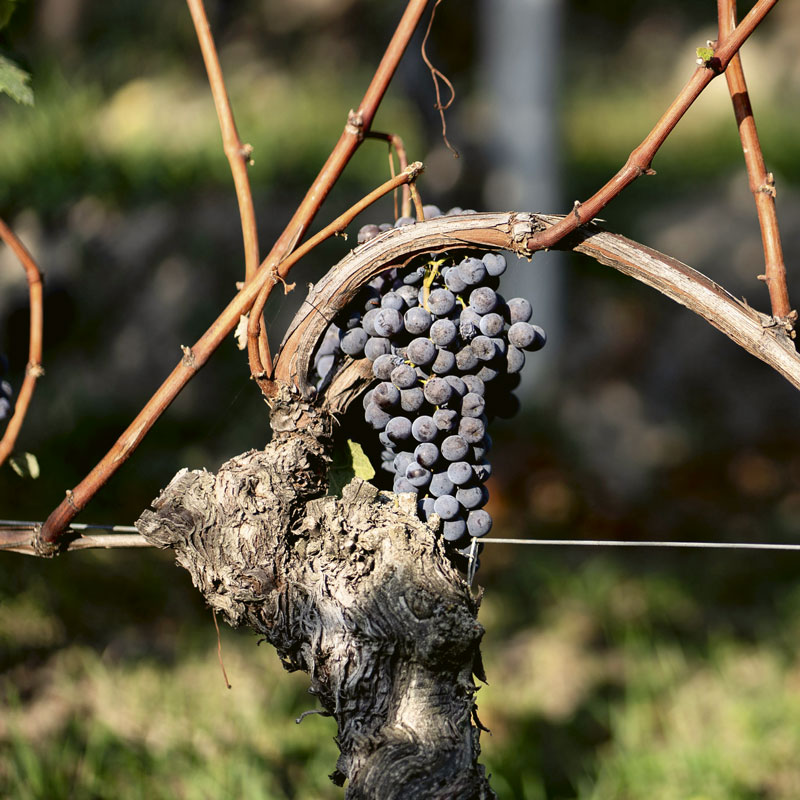
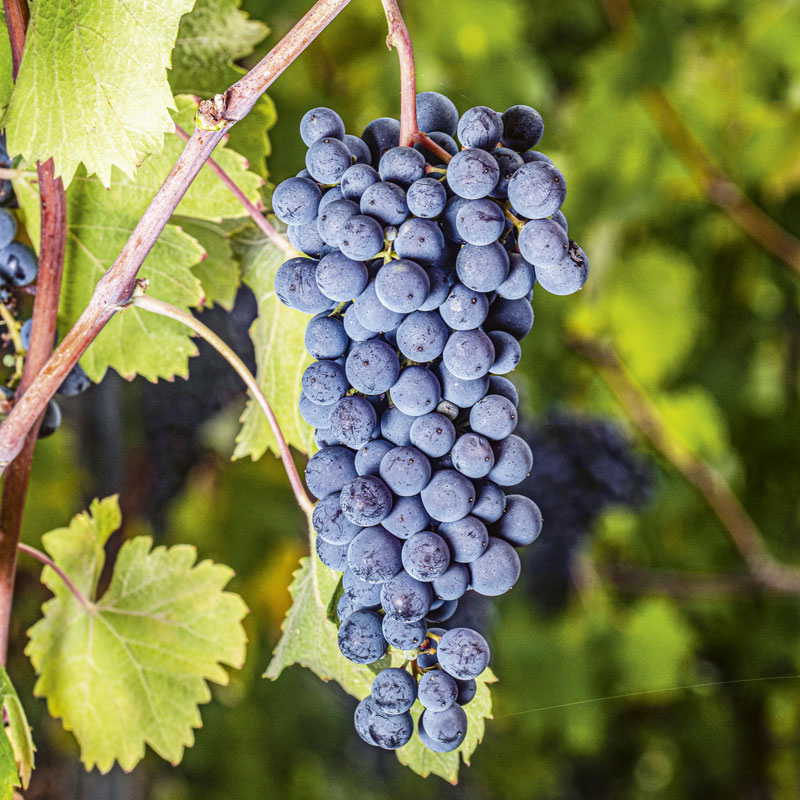
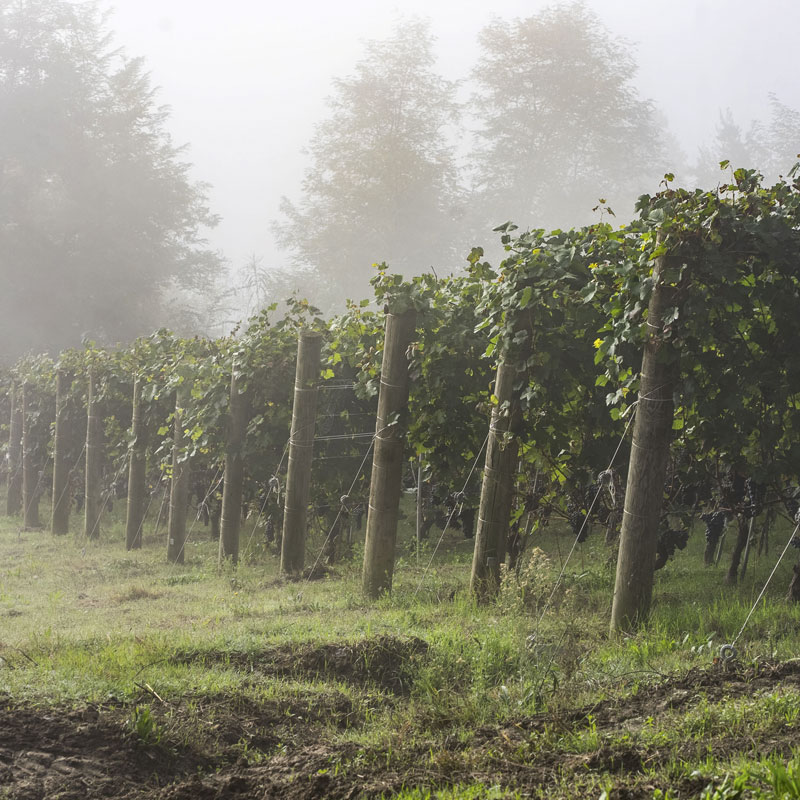
Three are the grape varieties that have always motivated his work and his personal quest for quality: Dolcetto, Barbera and Nebbiolo. No temptation towards new varieties, native or international, which in recent decades have animated the sector's debate and broadened the alternative productions to traditional ones.
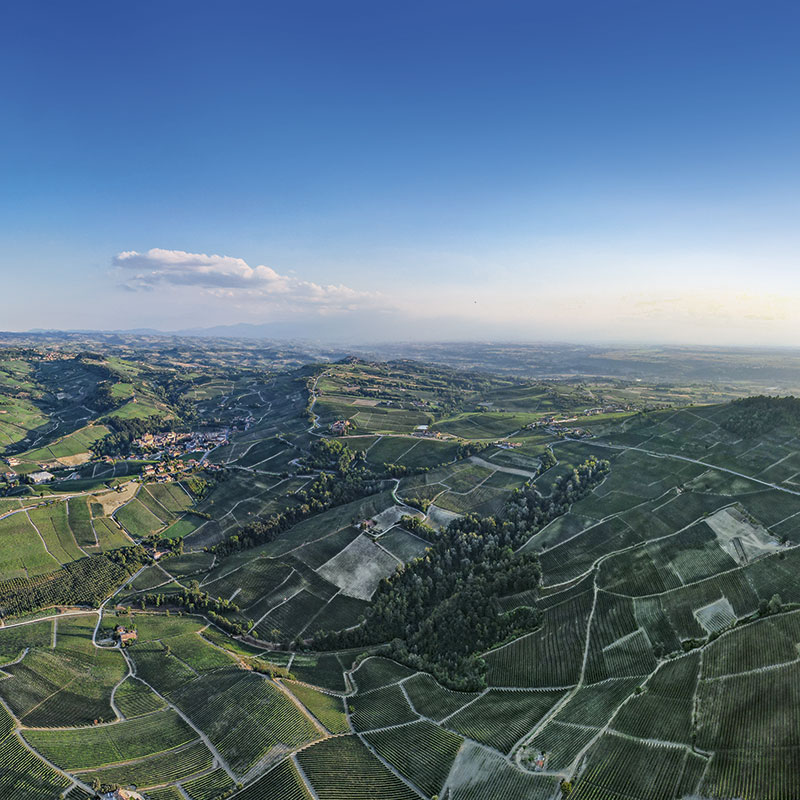
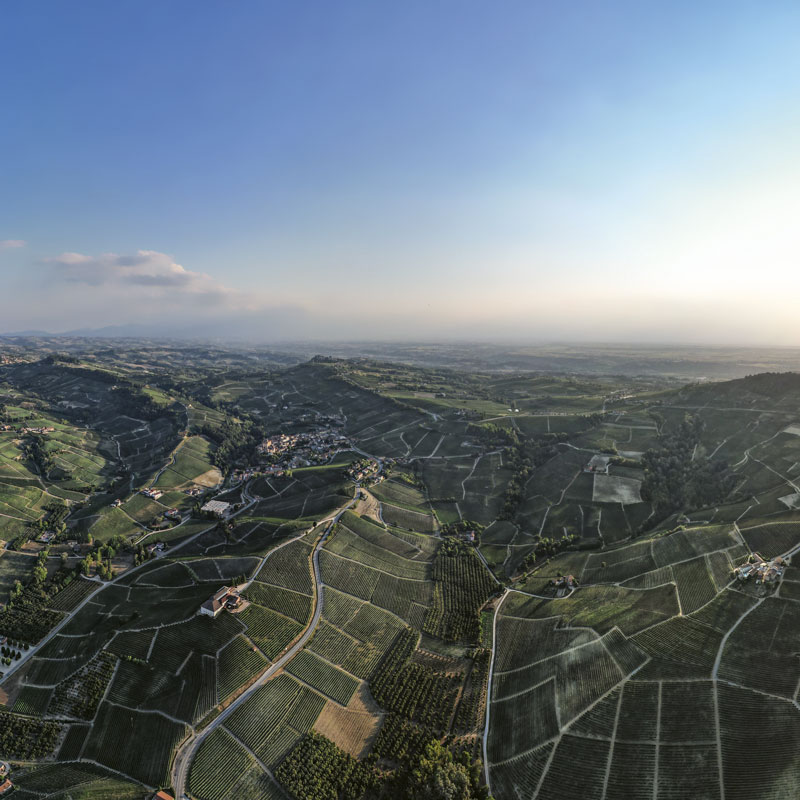
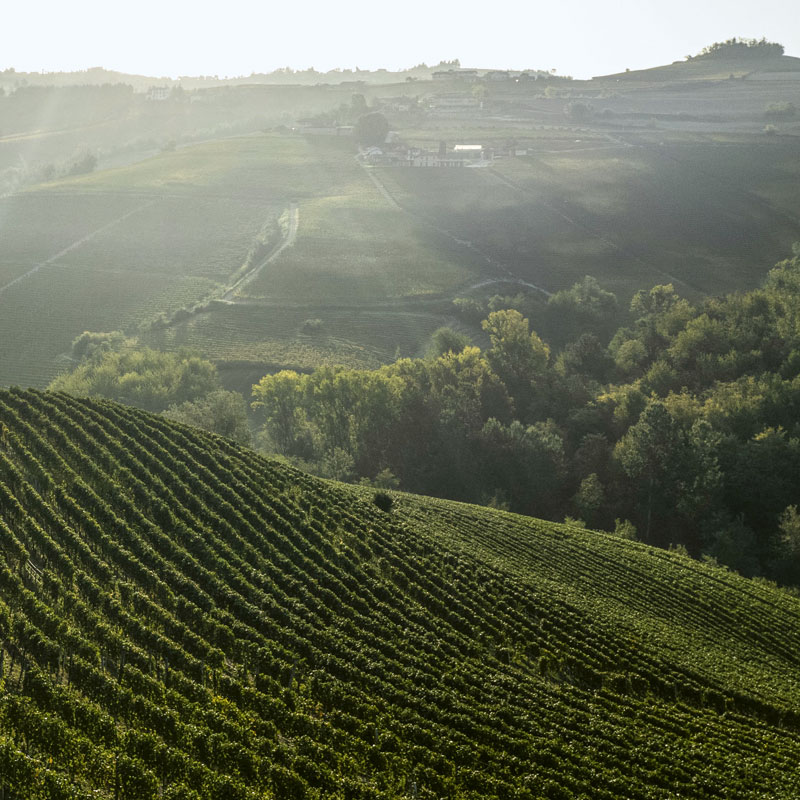
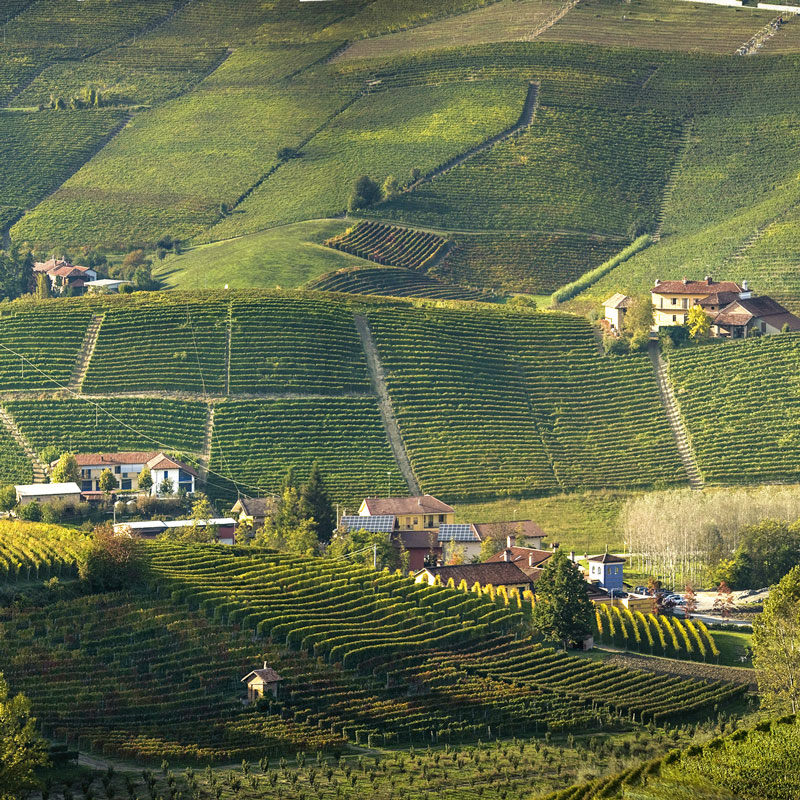
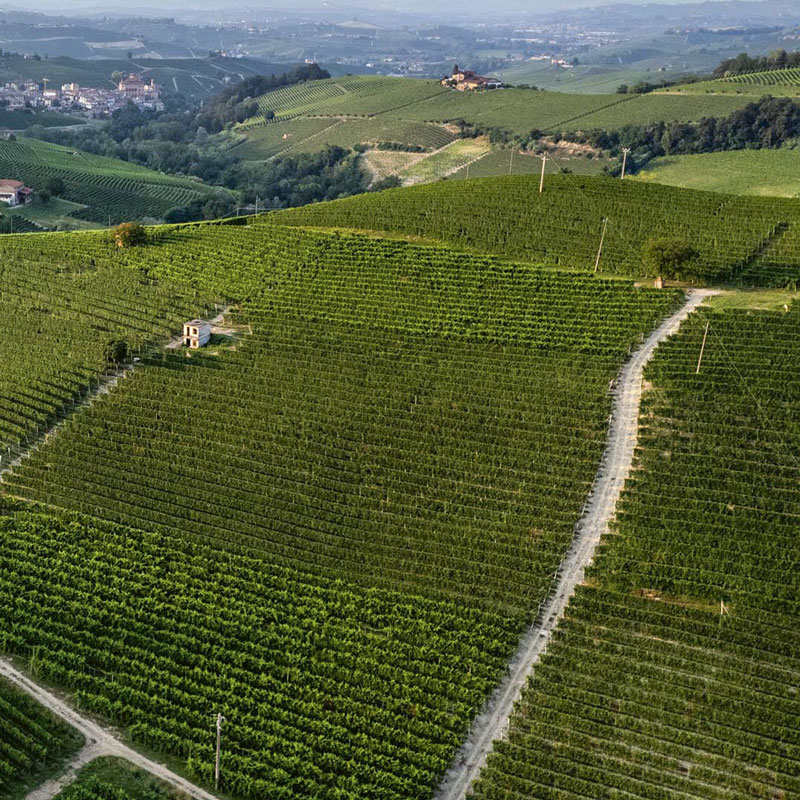
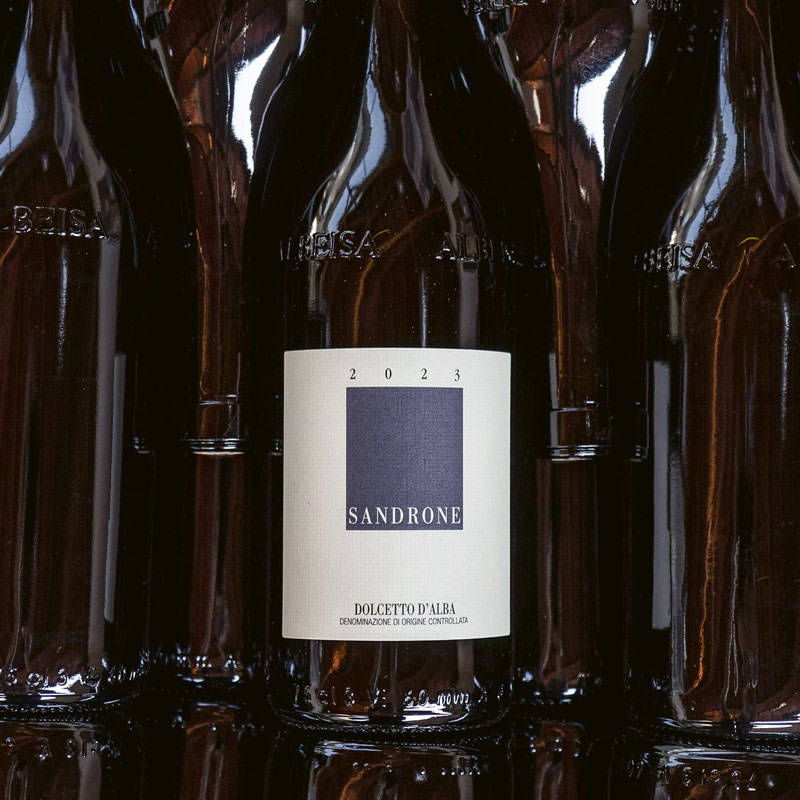
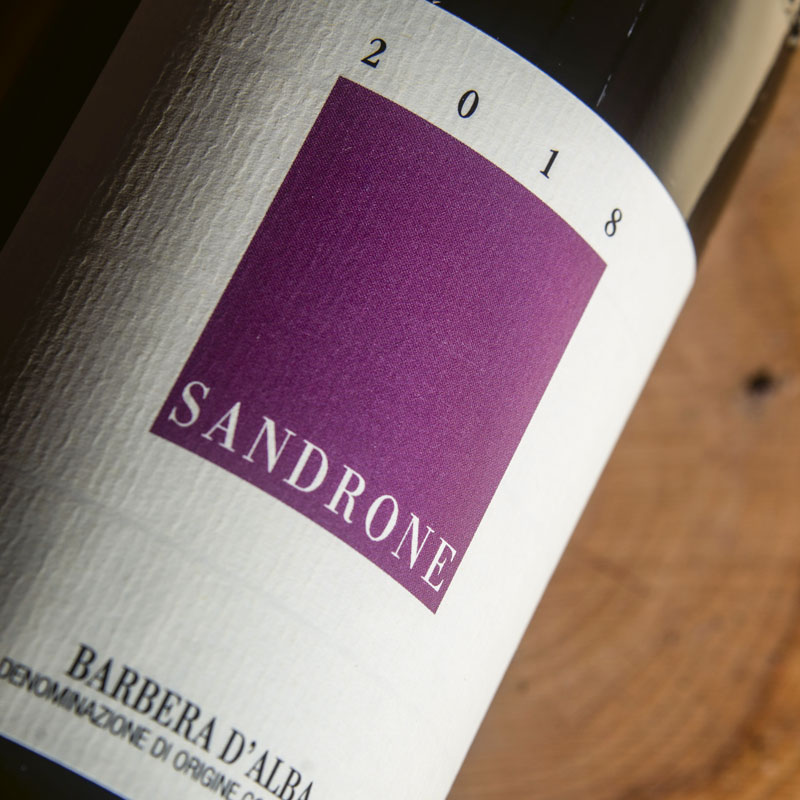
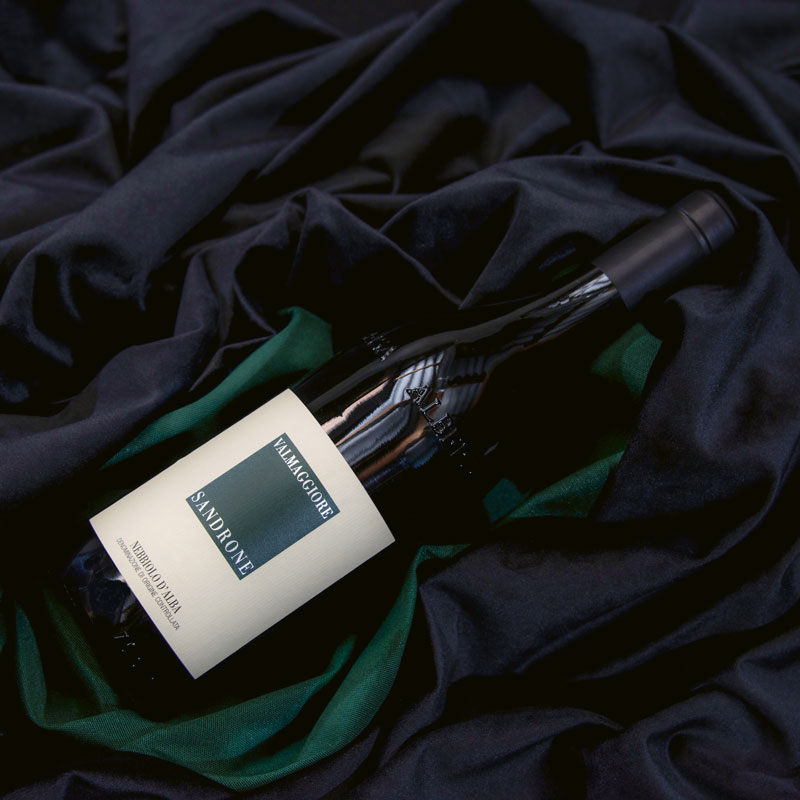
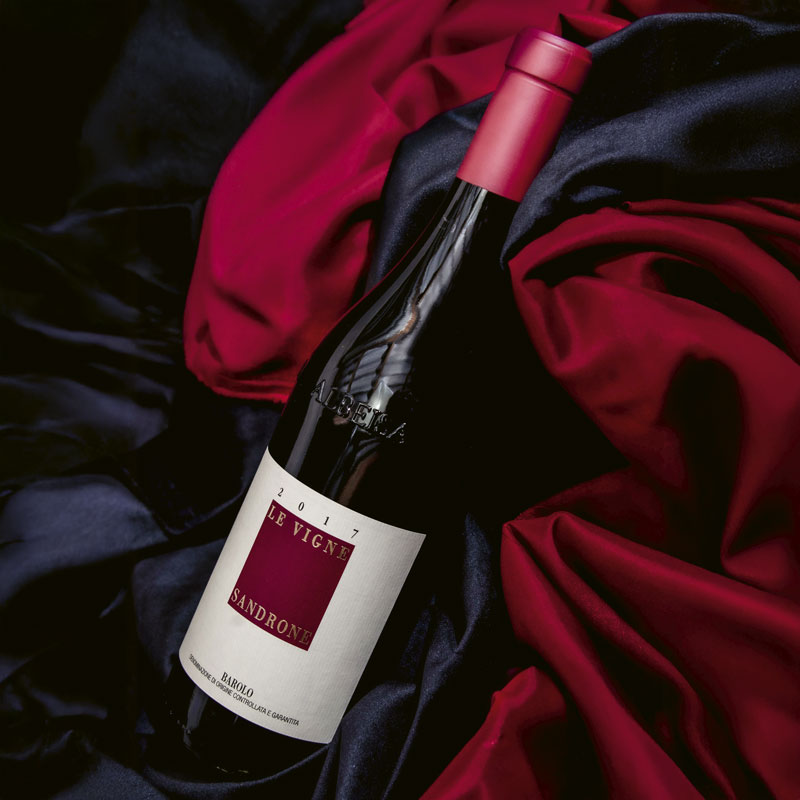
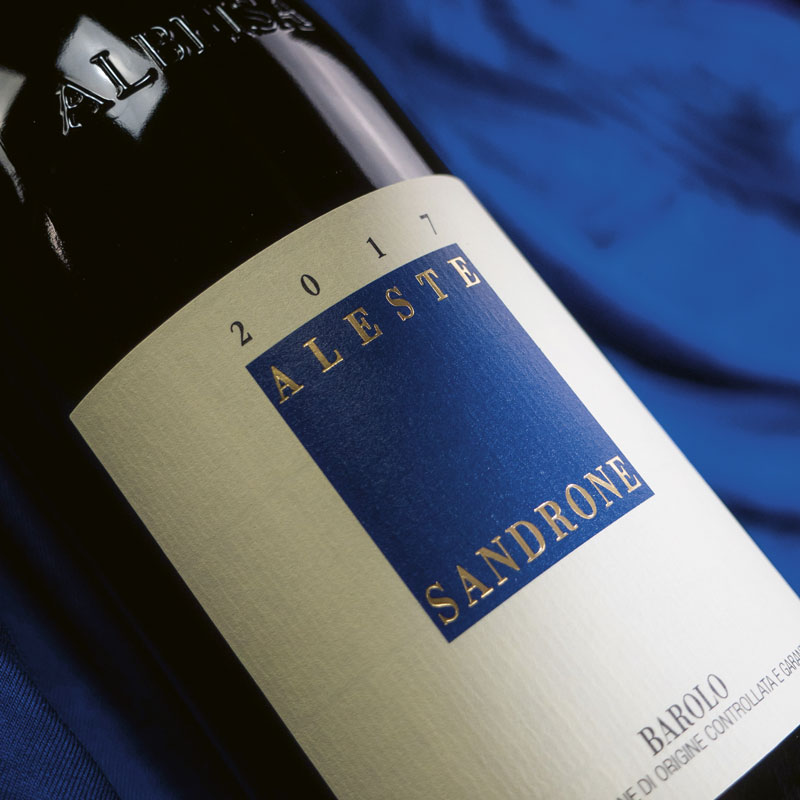
From the Dolcetto grape comes the Dolcetto d'Alba, from the Barbera the Barbera d'Alba and from the Nebbiolo four wines: Nebbiolo d'Alba Valmaggiore on the left bank of the Tanaro, in the Roero of Vezza d'Alba, and on the right bank of the river, in the Barolo zone, three wines of this appellation: Barolo Le Vigne, Barolo Aleste and Barolo Vite Talìn.
We begin by talking about Dolcetto, the everyday grape variety that produces the everyday wine.
We begin to describe the vineyards that contribute to producing Barolo Docg Le Vigne. There are five in all: Vignane in Barolo, Merli in Novello, Baudana in Serralunga d'Alba, Villero in Castiglione Falletto and Le Coste di Monforte in Monforte d'Alba.
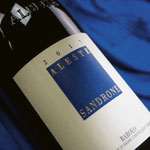
First of all, also out of respect for the structural hierarchy, we describe the Dolcetto d'Alba Doc, a wine with Denominazione di Origine Controllata status since 1974.
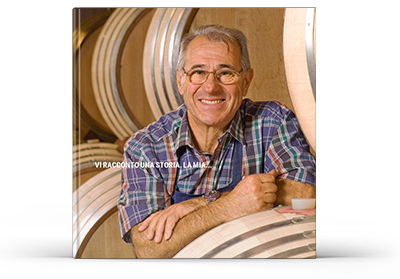
Download the book in PDF and let yourself be guided
through a story that intertwines a man, his land
and the family that preserves his legacy.